Public Perception Study on the Construction of the Putri Cempo Solar Power Plant
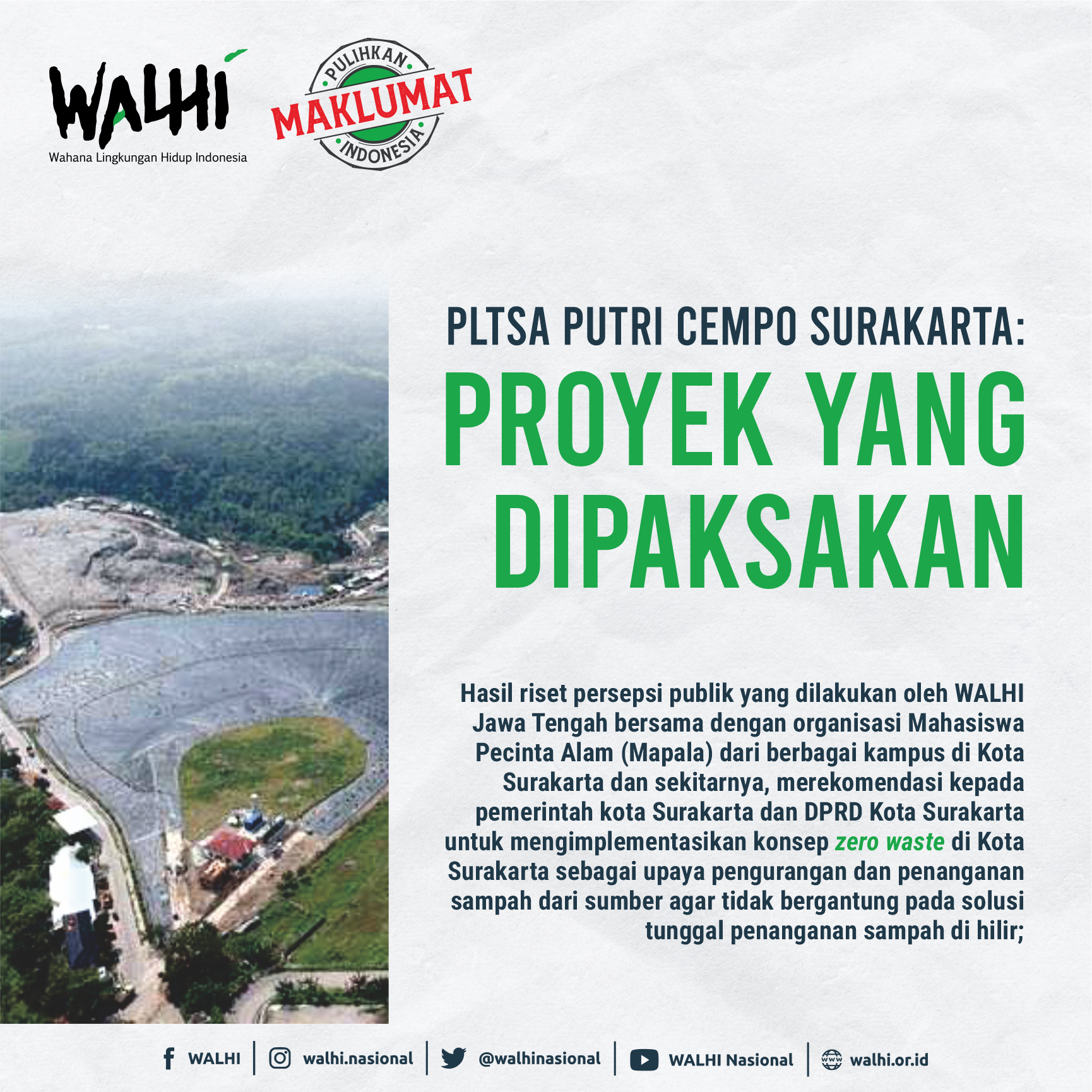
Putri Cempo Surakarta Solar Power Plant: A Forced Project
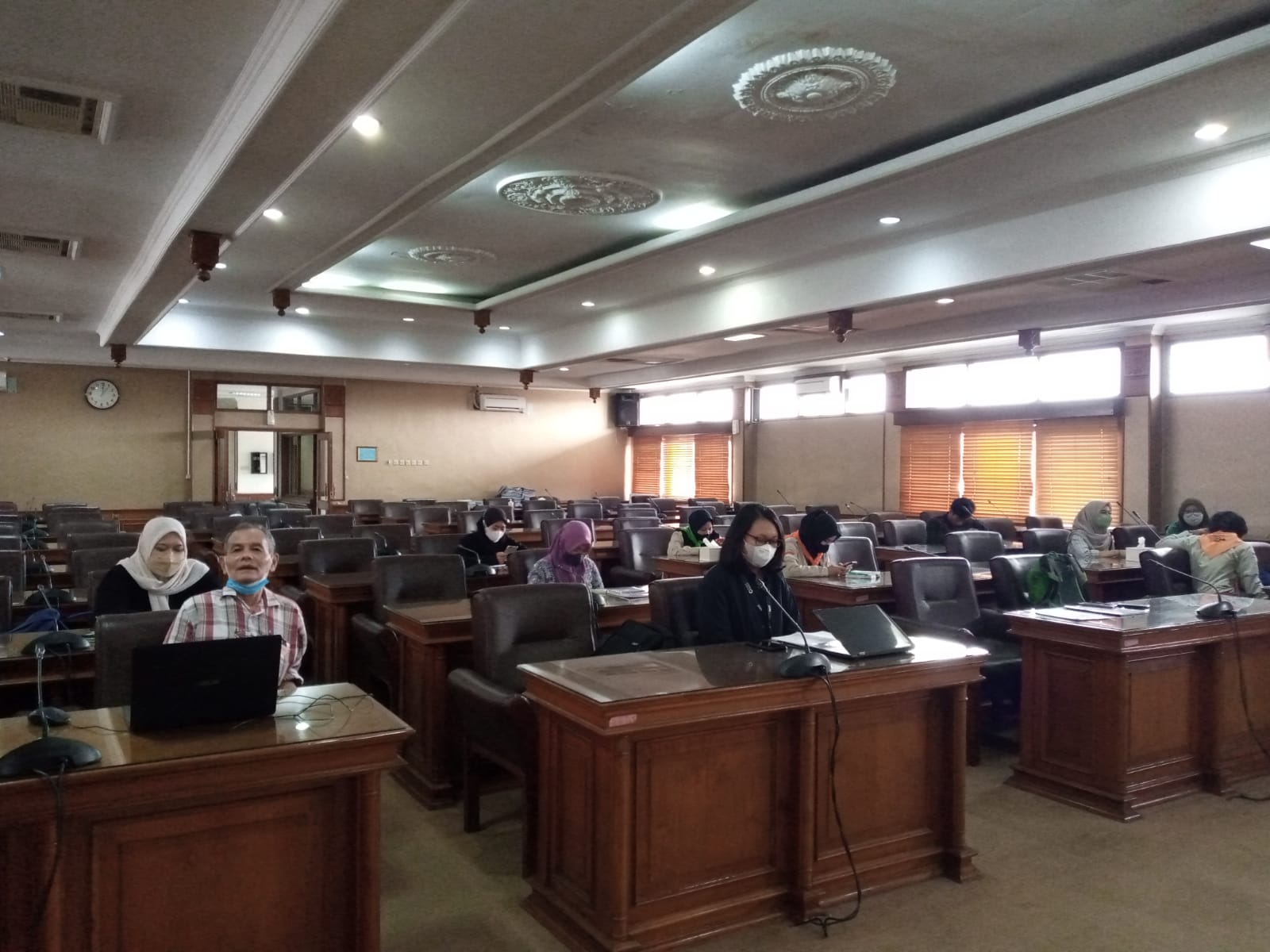
On Tuesday, March 22, 2022, WALHI Central Java, together with the Gita Pertiwi Foundation, the Indonesian Green Community Institute (LMIH), MALIMPA UMS, Specta UIN Surakarta, Mahacita Mamba'ul 'Ulum Islamic Institute Surakarta, and MITAPASA IAIN Salatiga held a hearing at the Surakarta City Council office regarding the construction of the Putri Cempo Waste-to-Energy Power Plant (PLTSa) project. The hearing was attended by the chair and members of Commission III (Development) of the Surakarta City Regional People’s Representative Council. The agenda included a presentation of the findings from a public perception study regarding the construction of the Putri Cempo PLTSa and the expression of critical concerns from various perspectives regarding the project. The public perception study was conducted by WALHI Central Java in collaboration with Nature Lovers Student Organizations (Mapala) from various universities in Surakarta and the surrounding area.
Waste management solutions, see: WasteTerminal
Based on the results of this research, WALHI Central Java has provided five recommendations to the Surakarta City Government and the Surakarta City Council to: 1) Implement the zero waste concept in Surakarta City as an effort to reduce and manage waste at the source so as not to rely solely on downstream waste management solutions; 2) Provide transparent information regarding the Putri Cempo Waste-to-Energy Plant (PLTSa) project, including its environmental, economic, and health impacts on the community, as well as its financial aspects; 3) Involve affected communities and civil society organizations in monitoring every stage of the Putri Cempo Waste-to-Energy Plant (PLTSa) project; 4) Ensure the sustainability of waste pickers’ livelihoods after the Putri Cempo Waste-to-Energy Plant begins operations; and 5) Ensure that the Putri Cempo Waste-to-Energy Plant’s operations do not release emissions above quality standards and strictly comply with waste management regulations, particularly regarding hazardous waste (B3).
<\n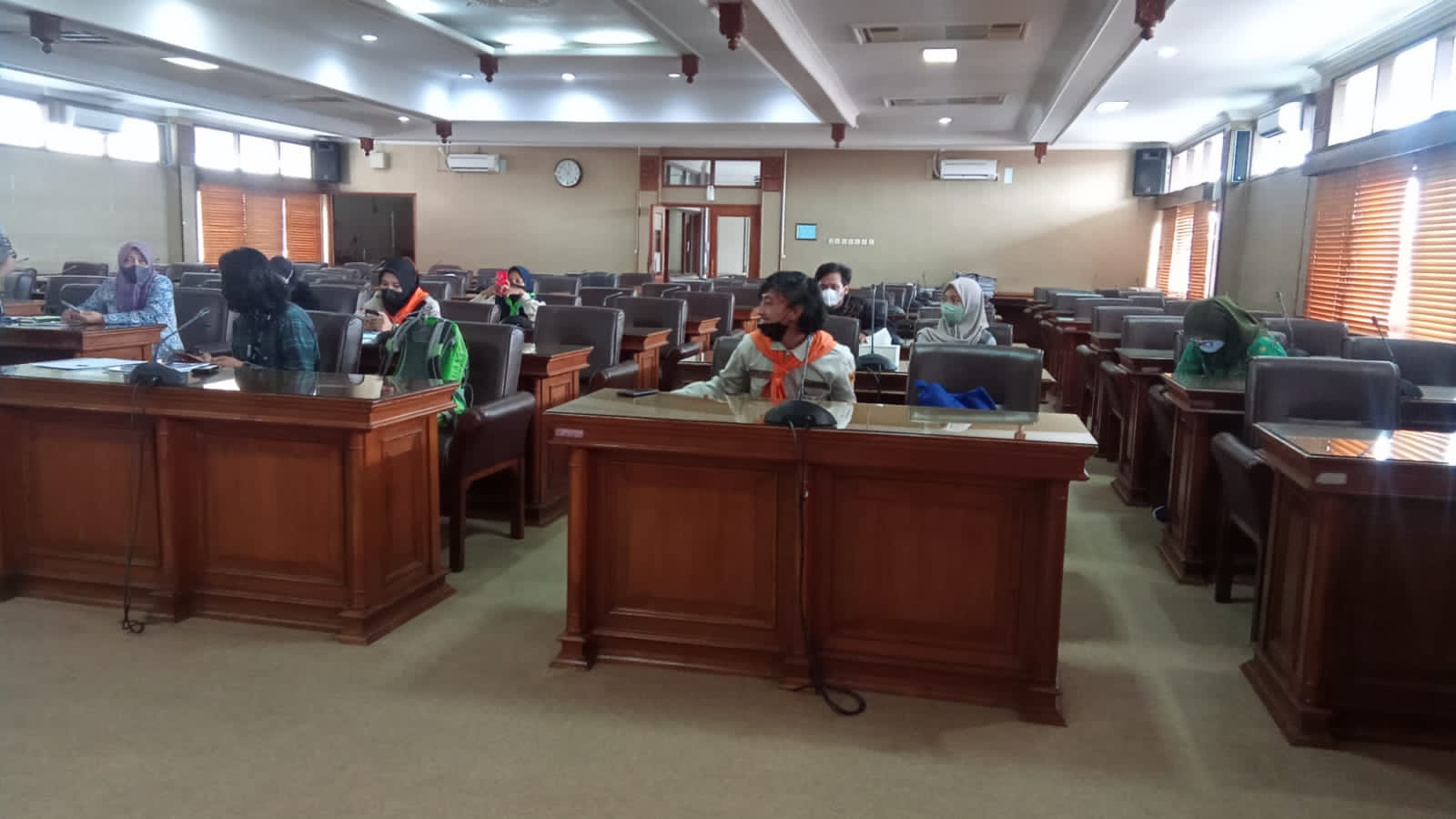
WALHI Central Java and the Gita Pertiwi Foundation, members of the Zero Waste Indonesia Alliance (AZWI), maintain their stance of opposing the Putri Cempo PLTSa project. This project, both in terms of financing and technical aspects, runs counter to the principle of managing waste as a sustainable material resource.
Currently, the City of Surakarta already has Local Regulation (Perda) No. 3 of 2010 on Waste Management, and revisions are underway to include provisions banning the use of single-use plastics. The existence of the Putri Cempo Waste-to-Energy Plant (PLTSa) clearly contradicts the spirit of waste reduction. The PLTSa requires large quantities of waste to be processed and converted into electricity, while the Regional Regulation promotes significant efforts toward waste reduction.
The Putri Cempo Waste-to-Energy Plant (PLTSa) is planned to use the gasification method, which falls under thermal technology. There is a potential for the release of carcinogenic dioxins and furans, as well as the production of solid waste in the form of fly ash and bottom ash (FABA). These combustion residues are classified as hazardous waste (B3) and require special handling to prevent environmental contamination. Meanwhile, according to Commission III of the Surakarta City Council, fly ash and bottom ash (FABA) resulting from waste incineration will be processed directly into paving material without considering the specific requirements for handling Class B3 waste.
In addition to the use of environmentally unfriendly technology, the process of drafting the project’s environmental impact assessment has not been completed and is still under revision, even though the Putri Cempo Waste-to-Energy Plant is scheduled for completion in April 2022. The environmental impact assessment should have been completed first so it could serve as a reference for evaluating potential impacts. The absence of these environmental documents demonstrates that the Surakarta city government is neglecting the potential impacts of this large-scale project.
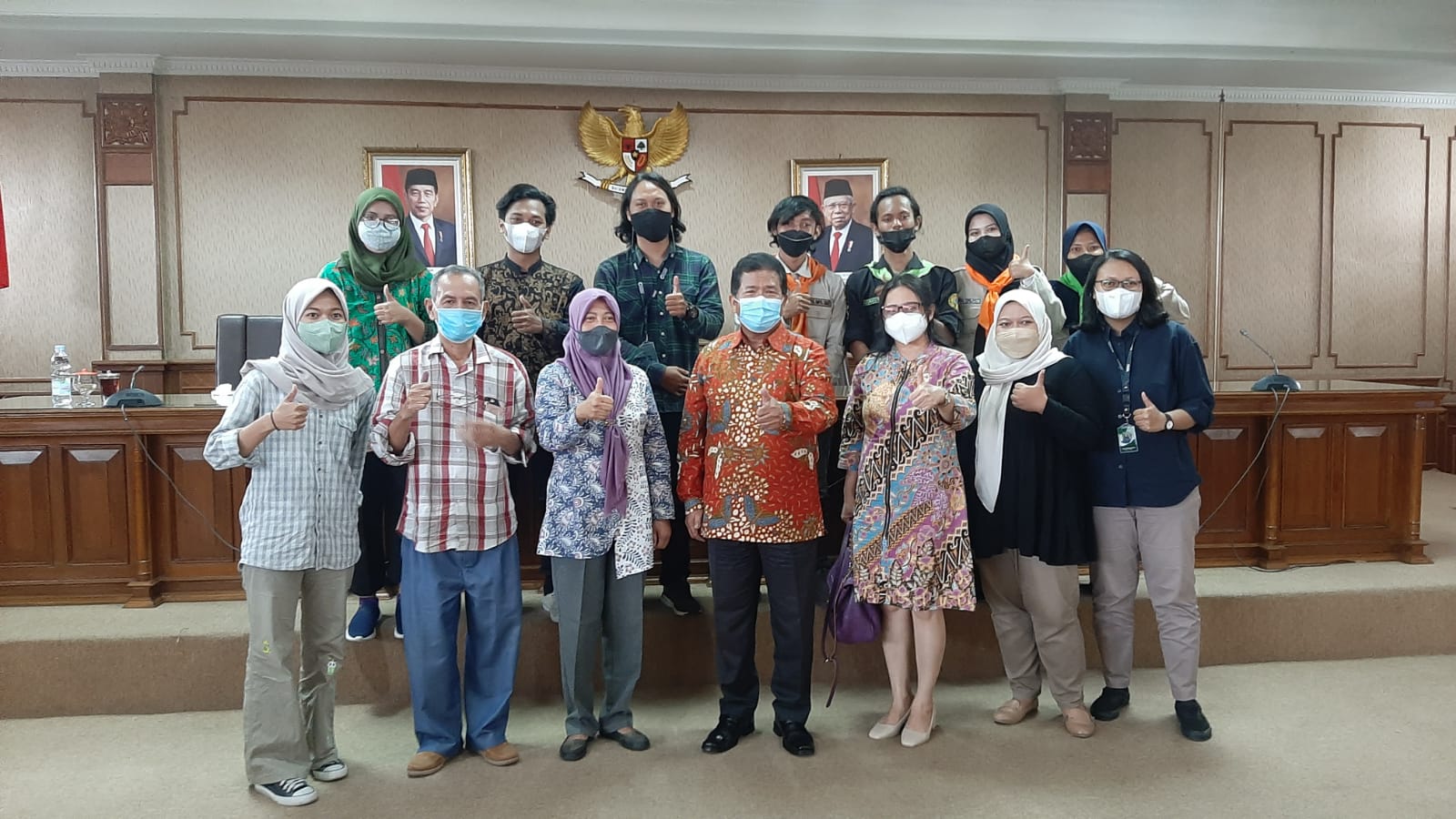
During the hearing, the Chair of Commission III of the Surakarta City Council stated that the partnership between the Surakarta City Government and PT Solo Citra Metro Plasma Power (SCMPP)—the operator of the Putri Cempo Solar Power Plant—does not require approval from the City Council. The financing scheme for the Putri Cempo Solar Power Plant is claimed not to use tipping fees sourced from the Regional Budget (APBD). Commission III of the Surakarta City Council acknowledged that this results in a reduction in the City Council’s oversight function regarding the construction of the solar power plant project.
The financing scheme for the Putri Cempo PLTSa is Project Finance provided by China Construction Bank (CCB). CCB has disbursed USD 16 million in the first phase, representing approximately 70 percent of the total requirement of USD 23 million. Meanwhile, the total budget required for the construction of the Putri Cempo PLTSa through the second phase amounts to USD 50 million, or approximately IDR 718 billion.
The city of Surakarta claims to be the only city that does not use a tipping fee in the management of its PLTSa. According to WALHI, this claim of operating without a tipping fee is highly questionable. WALHI questions the source of the return on investment (ROI) and the profits that PT. SCMPP would generate without the tipping fee scheme. Without a tipping fee, revenue would come solely from the electricity purchase price stipulated in the Power Purchase Agreement (PPA), which is 13.35 cents USD or 1,800 IDR per kWh. This means that from the total power plant capacity during the initial operational phase of 2 MW, electricity purchases would amount to 30 billion rupiah per year, assuming the plant operates 24 hours a day for a full year (365 days). It would take more than 25 years of full daily operation throughout the year—based on rough estimates—to recoup the investment in building the PLTSa under the PJBL scheme without a tipping fee. This calculation also does not take into account other factors such as inflation and interest rates.
In terms of public engagement, participation in the construction of the Putri Cempo solar power plant has been very low, leaving many community members unclear about how the project will proceed. The potential loss of livelihoods for waste pickers has also not been adequately communicated, leading to conflicting information among the communities surrounding the Putri Cempo Landfill.
In terms of policy, the legal basis for the Putri Cempo Waste-to-Energy Power Plant is Presidential Regulation No. 35 of 2018. This Presidential Regulation is considered a replacement for Presidential Regulation No. 18 of 2016 on the Acceleration of the Development of Waste-to-Energy Power Plants. The new Presidential Regulation contains the same substantive provisions as Presidential Regulation 18/2016, which had been struck down by the Supreme Court. The regulation was challenged by the National Coalition Against Waste Incineration, consisting of six organizations—WALHI, Bali Fokus (now Nexus3 Foundation), Gita Pertiwi, YPBB, KRUHA, and ICEL—as well as 15 individuals representing communities from seven cities.
Given the lack of transparency regarding the waste-to-energy plant project—from health, environmental, financial, and social perspectives—WALHI Central Java, together with LMIH, Gita Pertiwi, and other environmental organizations are urging the holding of a follow-up meeting with other stakeholders, such as the Surakarta City Government, the Surakarta City Council, and PT SCMPP.
Contact Person:
Fahmi Bastian: 0857 3737 1848 (Director of WALHI Central Java)
Nur Colis: 0831 1735 9378 (WALHI Central Java)